
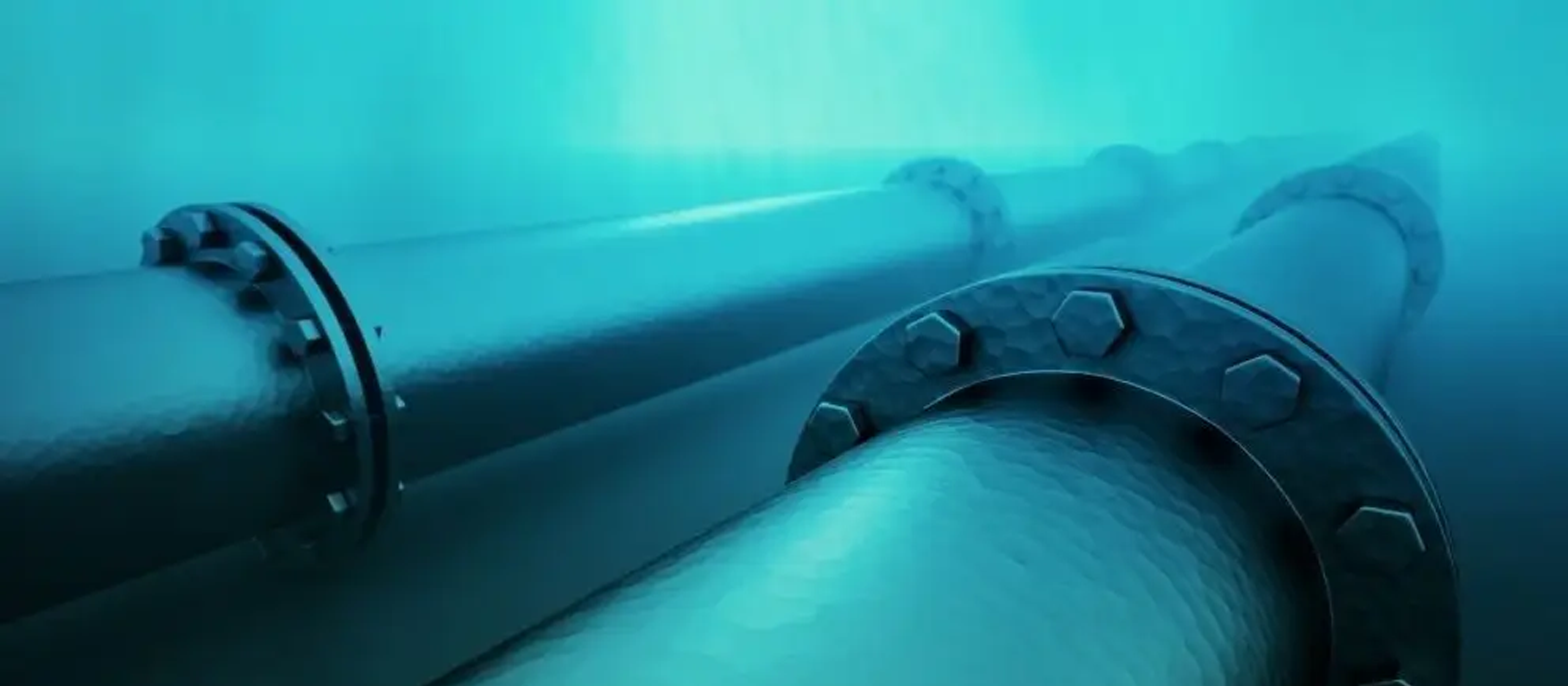
Technology That Sees What the Ocean Hides
Digital twins, AI-assisted monitoring and autonomous inspection give our engineers real-time visibility into asset condition, long before a finding becomes a failure.
Every pipeline we manage is instrumented, modeled and monitored as a living digital asset. Rather than treating technology as an add-on to inspection campaigns, we design sensor networks, autonomous vehicles and analytics platforms into the asset from commissioning onward — so operators see degradation trends years before they would surface through conventional periodic surveys.
AI Monitoring
Machine learning models trained on decades of inspection data flag anomalies in real time. Engineers review exceptions rather than combing through raw survey logs.
ROVs
Work-class and observation-class ROV fleets carry out installation support, close-visual inspection and light intervention at any depth in our operating envelope.
Autonomous Inspection
Autonomous underwater vehicles run pre-programmed survey routes independent of a support vessel, extending inspection coverage across remote and deepwater assets.
Digital Twin
Every managed asset has a live digital model referencing as-built data, inspection history and sensor feeds, giving engineers a single source of truth for asset condition.
Pipeline Sensors
Distributed fiber-optic and strain sensors monitor temperature, pressure and movement along the pipeline route, feeding condition data back continuously.
3D Mapping
High-resolution multibeam and photogrammetric surveys build precise 3D models of the seabed and pipeline route, supporting route engineering and free-span analysis.
Corrosion Detection
Intelligent pigging and electromagnetic inspection tools detect wall-thickness loss and coating damage well before a defect approaches a fitness-for-service limit.
Predictive Maintenance
Condition data feeds predictive models that forecast remaining asset life, letting operators schedule interventions before an unplanned failure occurs.
Automation
Automated survey processing and reporting pipelines convert raw inspection data into engineering-ready findings in a fraction of the time of manual review.
Digital Twin Modeling
Every asset under our management is represented by a live digital twin — a continuously updated model that combines as-built design data, inspection history and real-time sensor feeds into a single reference. Engineers use the twin to simulate loading scenarios, plan interventions and validate fitness-for-service assessments without waiting on the next physical survey.
The result is a shift from periodic inspection toward continuous assurance, with the twin flagging where attention is needed long before a scheduled campaign would have found it.
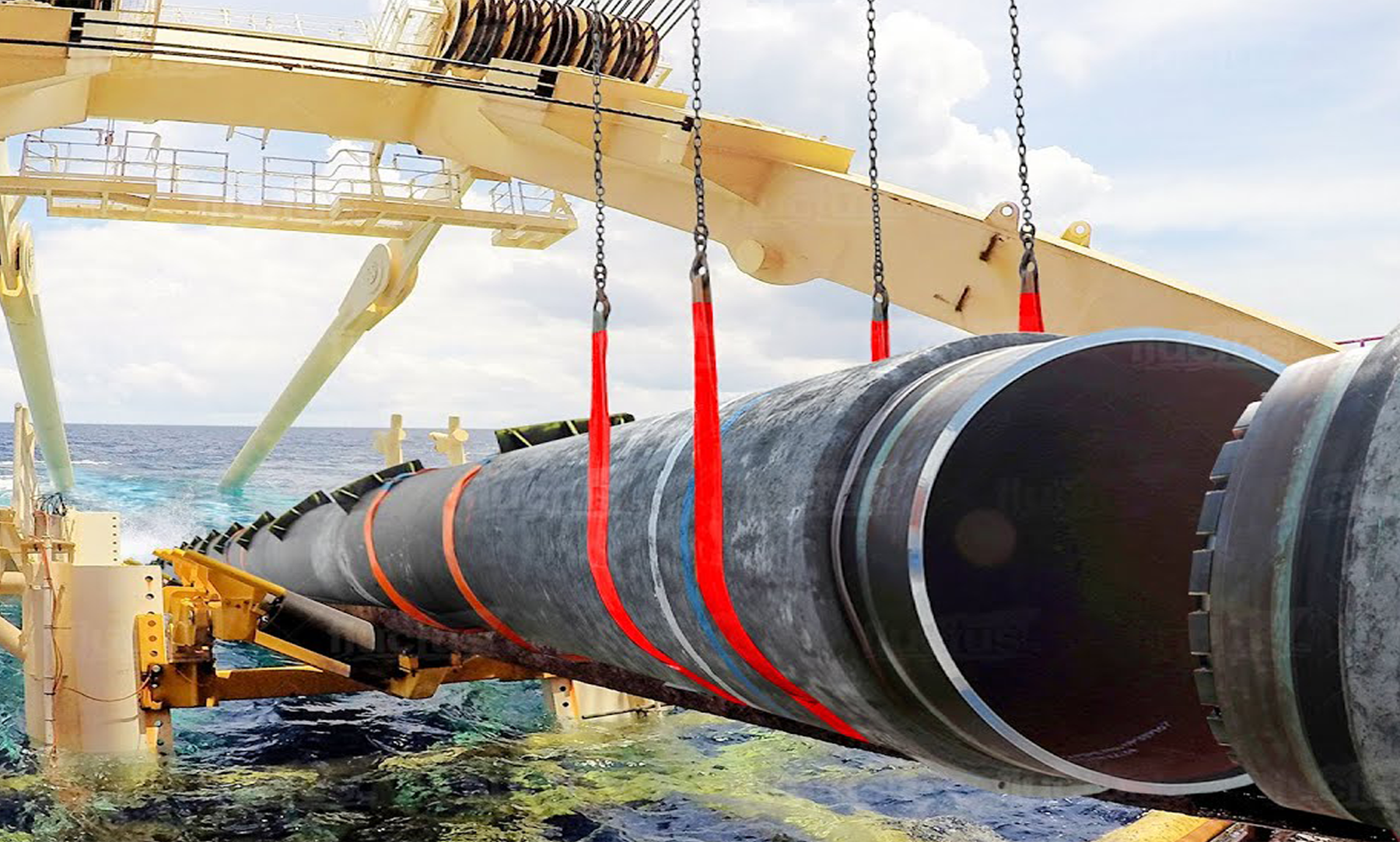
Technology Deployed Across Our Fleet
Bring Digital Assurance to Your Assets
Talk to our technology team about digital twin monitoring, autonomous inspection and predictive maintenance programs.